

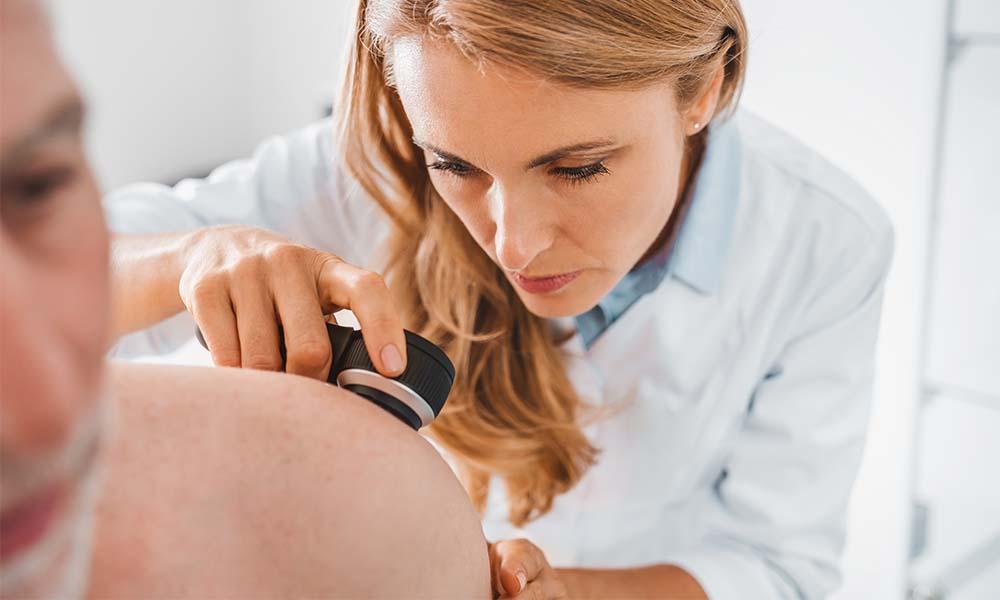
The skin is the largest organ of the human body, and it’s constantly exposed to sunlight, environmental toxins, and other harmful substances. While you may think that a glance in the mirror is enough to keep tabs on your skin’s health, regular screenings with a doctor specializing in dermatology are vital for detecting early signs of skin cancer.
What is Skin Cancer?
Skin cancer is a malignant growth on the skin that is caused by excessive exposure to ultraviolet (UV) radiation. There are three common skin cancer types:(a) basal cell carcinoma, (b) squamous cell carcinoma, and (c) melanoma.
Basal cell and squamous cell carcinomas account for more than 95% of all skin cancers. They are usually found on the face, head, neck, and hands and tend to be slow-growing and rarely metastasize.
Melanoma is a rare form of skin cancer but more serious than basal cell and squamous cell carcinomas. It is the most aggressive and fastest-growing type of skin cancer, and it can spread to other parts of the body if it’s not detected and treated early.
Why is it Important to Get Skin Cancer Screenings?
Early detection is critical when it comes to skin cancer. Regular skin cancer screenings with a dermatologist in Makatican help detect skin cancer when it’s still in its earliest stages, increasing the chances of successful treatment and survival.
Dermatologists can also provide tips on reducing your risk of skin cancer, such as avoiding overexposure to UV radiation, using sunscreen, wearing hats and protective clothing, and getting regular skin cancer screenings.
How Often Should YouHave Skin Cancer Screening?
It is recommended that people of all ages and skin tones get regular skin cancer screenings. For adults, this should be done every year or two, depending on your risk factors. Individuals with a family history of skin cancer or who spend a lot of time in the sun should get screened more frequently.
It’s also important for children and teens to get regular skin cancer screenings. Since sun exposure can begin early and damage can accumulate over time, it’s important to start skin cancer screenings in childhood to help protect kids from skin cancer as they age.
Tips for Preparing for a Skin Cancer Screening
When you schedule a skin cancer screening, being prepared is important. Make sure to wear loose, comfortable clothes that allow your dermatologist access to the entire body. Be prepared to discuss any moles, spots, discolorations, or other changes on your skin that you may have noticed. And list down any questions or concerns you may have.
Learn more about the importance of skin cancer screening as well as where to find a reputable dermatologist by accessing NowServing. It is a telemedicine application that provides healthcare solutions and deliver better healthcare for Filipinos.
