

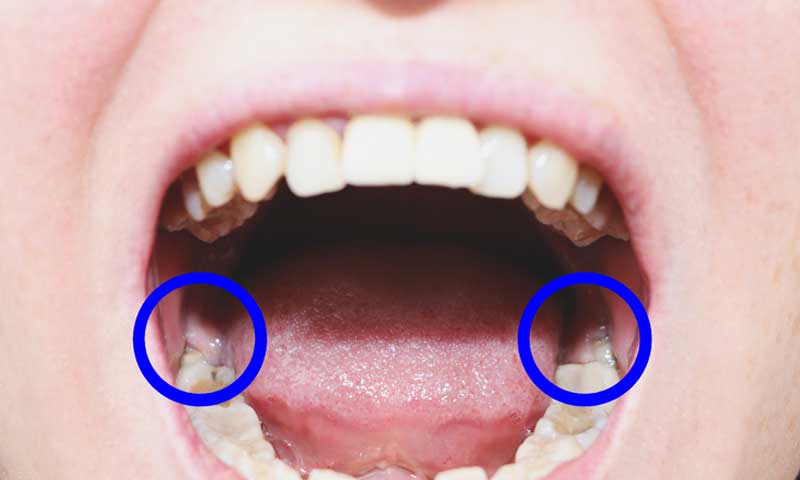
For the unversed, wisdom teeth are the third and final set of molars that appear during adulthood. While not everyone has these molars, it is common to experience pain with wisdom teeth. You will find these molars on either side of both the jaws, although you may not have all four. In this post, learn more about the common FAQs about wisdom teeth.
Why do people experience pain with wisdom teeth?
Because our jaws don’t always have room for an additional set of molars, wisdom teeth can cause pain and discomfort. Your dentist will typically take X-rays to determine the current position of these teeth and discuss the treatment plan accordingly.
Why are wisdom teeth removed?
If a wisdom tooth becomes impacted or doesn’t develop normally, the adjacent teeth could be affected. In many cases, wisdom teeth don’t emerge entirely, which causes bacterial growth and lead to an infection. Also, these molars could appear in the wrong places, causing pain that can be hard to bear. Wisdom teeth can also cause overcrowding, which may prevent a person from flossing or brushing correctly, leading to other concerns.
What is the procedure for removing wisdom teeth?
The extraction of a wisdom tooth is the same as a routine extraction. As the tooth appears on the extreme end, the procedure can take longer than a usual extraction. Your dentist will use local anesthesia to numb the surrounding gums, following which they will rock the tooth and remove it with a pair of forceps after elevating it from the root. You can go home immediately, and it is common for dentists to ask patients to take the day off to deal with the pain. You can take OTC painkillers as recommended by your dentist. You should avoid using a straw for at least 24 hours and avoid strenuous activities for a week. You can eat soft foods for the next few days to prevent bleeding and other complications.
Seeing a dentist
If you have a wisdom tooth that causes unbearable pain, consider seeing a dentist right away. The procedure is relatively simple, and there are rarely any complications. Most people can withstand the process, although your dentist may consider additional steps if you have an active infection or have a lifestyle disease. Getting rid of a wisdom tooth is often necessary to preserve other teeth, especially the adjacent molars. Don’t wait for long if you are experiencing symptoms of an infection.
