

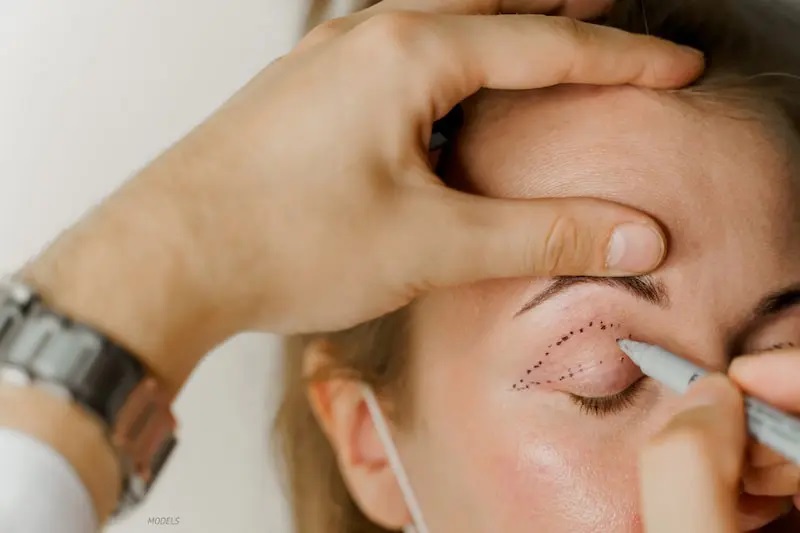
Eyelid surgery, also known as blepharoplasty, is a popular cosmetic procedure that aims to enhance the appearance of the eyes by addressing issues such as sagging eyelids, excess skin, and puffiness. While the primary goal of eyelid surgery is aesthetic, many individuals wonder if this procedure has any impact on their vision. In this article, we will explore the relationship between eyelid surgery and vision, addressing common concerns and misconceptions.
Understanding Eyelid Surgery
Before delving into the impact of eyelid surgery on vision, it is essential to understand the two main types of blepharoplasty: upper eyelid surgery and lower eyelid surgery.
- Upper Eyelid Surgery: This procedure involves the removal of excess skin and fat from the upper eyelids. It can help improve the appearance of drooping or hooded eyelids, which may obstruct the upper field of vision.
- Lower Eyelid Surgery: Lower eyelid surgery primarily focuses on reducing puffiness and removing excess fat from the lower eyelids. This procedure is generally more cosmetic in nature and is not expected to significantly impact one’s vision.
Impact on Vision
Upper Eyelid Surgery:
- Improved Vision: In many cases, upper eyelid surgery can lead to improved vision. When excess skin on the upper eyelids sags, it can obstruct the upper field of vision, making it difficult to see clearly. Removing this excess skin can eliminate this obstruction, enhancing the patient’s field of vision and overall eyesight.
- Enhanced Comfort: Patients who experience sagging upper eyelids often strain their forehead muscles to compensate for the visual obstruction, leading to discomfort and fatigue. After surgery, these discomforts are often alleviated.
- Cosmetic and Functional Benefits: Upper eyelid surgery offers both cosmetic and functional benefits, making it an attractive option for those looking to improve their appearance and vision simultaneously.
Lower Eyelid Surgery:
- Minimal Impact on Vision: Unlike upper eyelid surgery, lower eyelid surgery is primarily cosmetic and is not intended to impact vision. It aims to address puffiness and under-eye bags without interfering with the eye’s functionality.
- Post-operative Care: Patients undergoing lower eyelid surgery should follow post-operative care instructions carefully to minimize the risk of temporary vision disturbances, such as blurriness or sensitivity to light.
Precautions and Considerations
It’s crucial to choose a skilled and experienced surgeon to ensure the best outcomes and minimize potential complications. Discuss your specific concerns and expectations with your surgeon during the consultation to determine the most suitable approach to eyelid surgery.
Recovery and Healing
Both upper and lower eyelid surgeries have a recovery period during which patients may experience temporary side effects like bruising, swelling, and discomfort. These effects typically subside over time, and patients should follow their surgeon’s post-operative instructions to aid in the healing process.
In summary, eyelid surgery, whether upper or lower, is a cosmetic procedure that can have a positive impact on one’s vision, particularly in the case of upper eyelid surgery where excess skin obstructs the field of vision. However, lower eyelid surgery primarily addresses cosmetic concerns and is not expected to affect vision significantly. As with any surgical procedure, it is essential to choose a qualified and experienced surgeon and follow post-operative care instructions to ensure a successful outcome. If you are considering eyelid surgery, consult with a board-certified plastic surgeon who can assess your specific needs and provide guidance on the best approach to achieve your desired results while preserving or improving your vision.
