

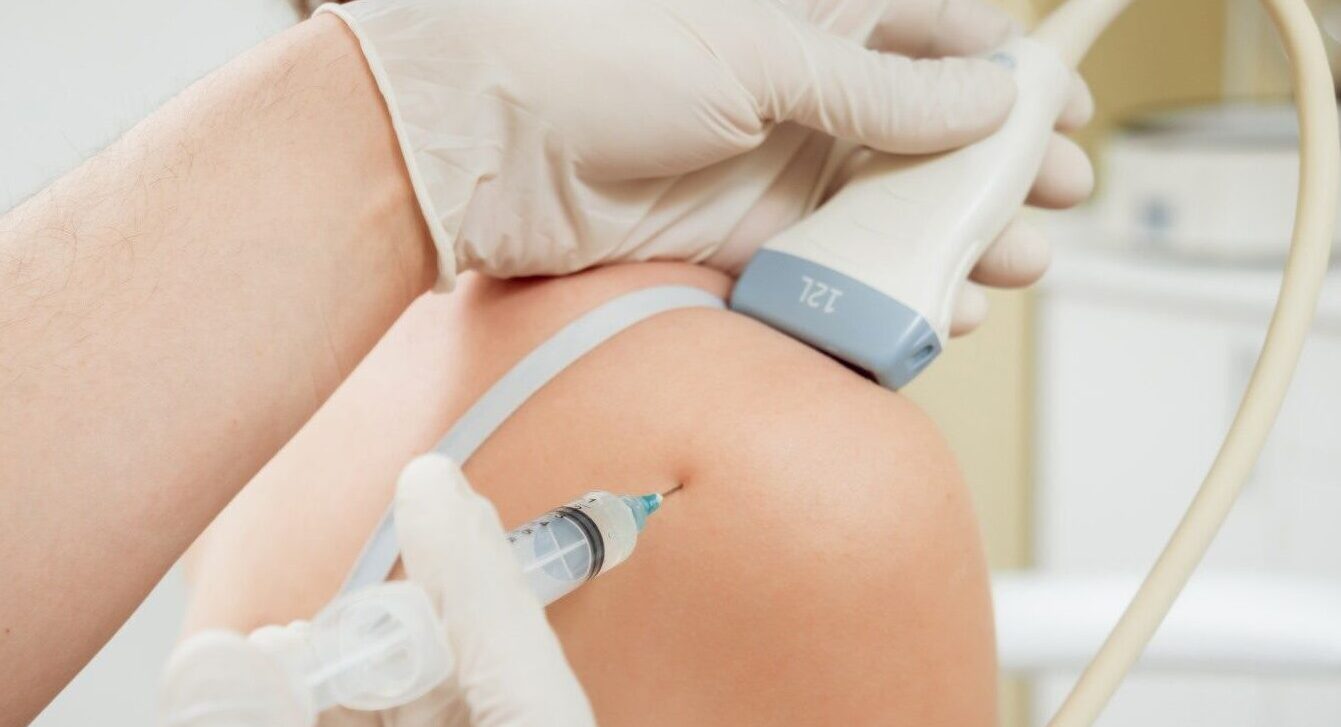
If you’re experiencing musculoskeletal pain, you may have considered or been recommended to have a steroid injection. Whilst steroid injections can provide crucial relief from pain and an opportunity to follow other treatment programmes, they are not right for every case. In this article, we’ll examine whether a steroid injection might be the right course of action for you.
What is a steroid injection?
A steroid injection, also commonly known as a cortisone injection, involves the injection of corticosteroids directly to the area of pain and inflammation, providing targeted relief from pain. Corticosteroids are a group of powerful anti-inflammatory compounds that can reduce pain and inflammation.
Steroid injections are available through hospitals and through specialist local clinics such as a London cortisone injection clinic, or any other city. They are administered by specially-trained professionals following a comprehensive examination and assessment of your problem and ascertaining whether a steroid injection is the right course of action for you.
What do steroid injections do?
Steroid injections are able to rapidly reduce pain and inflammation, typically in a musculoskeletal injury that has either not responded to more conservative treatment such as rest and physiotherapy, or which cannot be treated in this way because the area is too swollen or painful.
Although they can quickly bring significant relief, steroid injections are not a long-term solution to pain and do not treat the underlying condition itself. However this isn’t to say they can’t have great therapeutic benefits, for several reasons:
Firstly, the body has its own natural healing mechanisms, and reducing pain and inflammation via a steroid injection can give the body the respite it needs to allow these mechanisms to work. With the “kickstart” of a steroid injection, many conditions will start to heal on their own.
Secondly, the respite from pain and swelling can mean that you are able to start a course of physiotherapy or similar physical therapy programme which will deal with the underlying causes of your condition. This will allow you to stretch the area, increase strength and range of motion, and follow any other recovery protocols that were not possible previous to the steroid injection.
The psychological benefits of relieving chronic pain are also not to be underestimated. The pain relief granted by the steroid injection can allow you to work and to take part in normal family life which may not have been possible whilst suffering from severe pain. The boost in mood and emotion which this provides will also stimulate the body’s healing mechanisms and allow you to be more positive, all of which contributes to recovery.
Are there any side-effects to steroid injections?
Despite their efficacy there are many possible side-effects to steroid injections. For most people these are not serious and are mainly around the injection site, for example short term pain around the area of injection, changes in skin coloration or bruising.
More systemic side-effects do also occur, including insomnia, menstrual changes, mood changes, or changes in blood pressure. Long term use can also lead to more serious problems such as cataracts and osteoporosis.
The likelihood of any of these side-effects occurring depends on many factors such as the age and overall health of the patient, lifestyle, whether you have had steroid treatment before, and any other contraindications. It is for this reason that steroid injections must be prescribed under the guidance of a qualified and experienced medical professional who is able to accurately assess the likelihood of side effects and weigh up the risks and benefits against the severity of your problem and any other treatment options available.
Ultimately, it should be your own choice whether to take up steroid treatment. Your medical practitioner will advise you as to the potential risks and benefits, and whether steroid injections may be the right course of action for you.
