

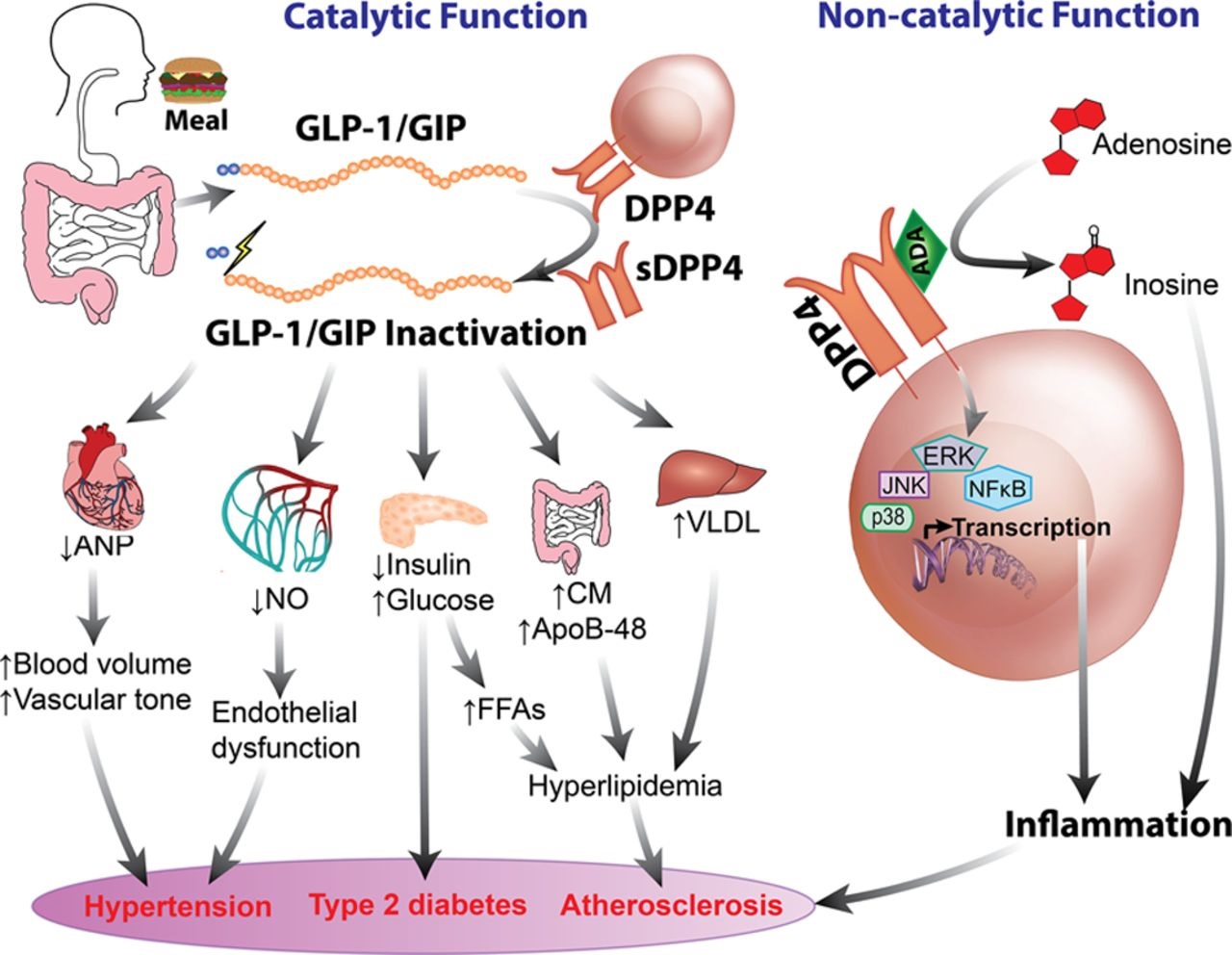
Dipeptidyl peptidase-4 inhibitors, commonly referred to as DPP-4 inhibitors, are a group of oral anti-diabetic drugs that primarily treat Type 2 diabetes. They are often chosen for their safety profile and negligible risk of causing hypoglycemia (abnormally low blood glucose levels) compared with other oral agents. These factors make them particularly suitable for certain individualized treatment plans offered by Border Free Health.
DPP-4 inhibitors work by blocking the action of DPP-4, an enzyme that destroys the intestinal hormone known as incretin. Incretin helps the body produce more insulin only when it is needed and reduces the amount of glucose being produced by the liver when it is not needed. This mechanism should ideally keep blood glucose levels in a safe range. However, DPP-4 inhibitors are less effective at lowering blood glucose levels compared to sulfonylureas such as Glipizide or Glimepiride.
Renal Dosing Adjustments
It’s also worth noting that some DPP-4 inhibitors need renal dosing adjustments. This is crucial for patients with kidney disease as the dosage of these medications must be adjusted based on the patient’s kidney function. The intent is to avoid further kidney damage and avert potentially harmful side effects. Here, practitioners may consider medications like Linagliptin, which do not require dose adjustment for renal afflictions. Knowledge of these nuances comes in handy when prescribing and managing diabetes treatment plans, underlining the importance of platforms like A wide range of prescription medication.
On the other hand, other oral agents such as sulfonylureas and biguanides (Metformin) may also affect blood glucose levels, but they come with their set of side effects. For instance, sulfonylureas can cause hypoglycemia and weight gain, while Metformin may lead to gastrointestinal side effects or lactic acidosis.
In conclusion, while DPP-4 inhibitors have their advantages such as minimal risk of hypoglycemia and no demonstrated effect on weight, they might happen to be less effective in certain cases compared to other oral agents. Simultaneously, their need for renal dosing adjustments makes them suitable for diabetic patients with kidney diseases. Understanding these intricacies is what sets apart a reliable and comprehensive healthcare provider like https://borderfreehealth.com/.
