

As individuals age, their lung function naturally declines, a process that can be influenced by various factors and lead to several respiratory issues.
Changes in Lung Function Over Time
Over the years, the lungs undergo physiological changes. The airways and tissues may lose their elasticity, the muscles that support breathing weaken, and the air sacs become less efficient at transferring oxygen into the blood and removing carbon dioxide. These changes can reduce the overall lung capacity and resilience to infections and diseases.
Common Respiratory Issues in Seniors
Senior citizens are more susceptible to respiratory conditions such as chronic obstructive pulmonary disease (COPD), pneumonia, and bronchitis. Age-related changes in the immune system and lung function can increase the risk of these illnesses. Additionally, seniors may be more vulnerable to developing mesothelioma, a type of cancer often associated with asbestos exposure.
The Impact of Environmental Factors
Environmental factors play a significant role in lung health. Air quality, exposure to pollutants, and occupational hazards can all contribute to respiratory problems. It’s crucial for seniors to manage their environment by avoiding tobacco smoke, minimizing exposure to outdoor pollution, and ensuring their living spaces are well-ventilated to reduce indoor pollutants.
Adopting a Lung-Healthy Lifestyle
The Importance of Regular Exercise
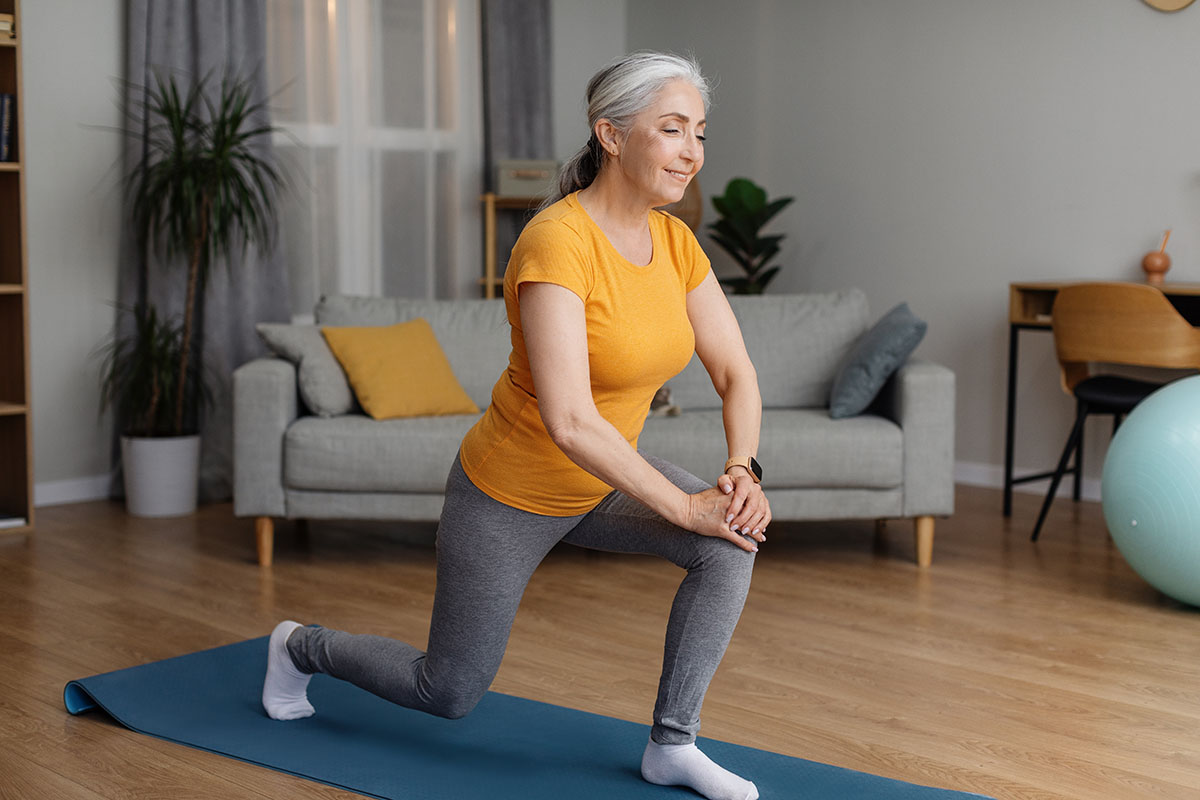
Regular exercise is crucial for maintaining healthy lungs, especially for senior citizens. It helps to keep the respiratory muscles strong and improves circulation, making it easier for the body to supply oxygen to the muscles and remove carbon dioxide. A routine that includes aerobic activities such as walking, swimming, or cycling can greatly benefit lung function. Additionally, strength training can enhance overall muscle function and endurance.
Nutrition for Respiratory Health
A balanced diet plays a significant role in lung health. Foods rich in antioxidants, such as fruits and vegetables, can help protect the lungs from damage caused by pollutants and other harmful substances. Omega-3 fatty acids, found in fish and flaxseeds, are known to have anti-inflammatory properties that may benefit those with respiratory conditions. Seniors should aim to incorporate a variety of nutrient-dense foods to support their respiratory system.
Avoiding Tobacco and Managing Exposure to Pollutants
To maintain healthy lungs, it is essential to avoid tobacco in all forms. Smoking cessation can significantly reduce the risk of developing chronic respiratory diseases and improve lung capacity. Additionally, managing exposure to pollutants is important. Seniors should be mindful of indoor air quality and consider using air purifiers or avoiding areas with high pollution levels. The American Lung Association website provides resources on lung health, diseases, smoking cessation, advocacy, and clean air initiatives. Joining networks, finding support, and staying informed on research and events can also be beneficial.
Medical Management of Lung Health
As senior citizens age, the medical management of lung health becomes increasingly important. Regular health screenings and vaccinations are crucial for early detection and prevention of respiratory diseases. Seniors should adhere to a schedule of routine check-ups, including spirometry tests to measure lung function and chest x-rays when necessary. Annual flu shots and pneumococcal vaccines can significantly reduce the risk of serious lung infections.
Chronic respiratory conditions such as COPD, asthma, and pulmonary fibrosis require ongoing medication and treatment regimens. Inhalers, corticosteroids, and oxygen therapy are common interventions that can help manage symptoms and improve quality of life. It’s essential for seniors to take medications as prescribed and to communicate any side effects or concerns to their healthcare providers.
Working closely with healthcare providers is key to achieving optimal lung care. This partnership allows for personalized care plans that address the unique needs of each senior. Regular consultations can help track the progression of lung conditions and adjust treatments as needed. Seniors should feel empowered to ask questions, seek second opinions, and be active participants in their lung health management.
Routine Health Screenings and Vaccinations
- Adherence to routine check-ups
- Spirometry tests to measure lung function
- Chest x-rays when necessary
- Annual flu shots and pneumococcal vaccines
Medications and Treatments for Chronic Conditions
- Management of symptoms with inhalers and corticosteroids
- Oxygen therapy for severe respiratory conditions
- Importance of taking medications as prescribed
- Communication with healthcare providers about side effects
Working with Healthcare Providers for Optimal Care
- Personalized care plans for individual needs
- Regular consultations to track lung condition progression
- Adjusting treatments based on ongoing assessments
- Empowerment through active participation in health management
Breathing Techniques and Exercises
As individuals age, the efficiency of their respiratory system often declines, making it crucial for senior citizens to engage in specific breathing techniques and exercises that can help maintain and even improve lung function.
Practicing Diaphragmatic Breathing
Diaphragmatic breathing, also known as belly breathing, is a fundamental exercise that promotes the use of the diaphragm, potentially increasing lung capacity and strengthening the respiratory muscles. To practice:
- Lie down or sit comfortably.
- Place one hand on the belly and the other on the chest.
- Breathe in slowly through the nose, feeling the belly rise more than the chest.
- Exhale slowly through the mouth, gently pressing on the belly to help expel air.
- Repeat the process for several minutes daily.
Pursed-Lip Breathing to Improve Oxygen Intake
Pursed-lip breathing can help seniors control their breathing and improve the exchange of oxygen and carbon dioxide. This technique is particularly beneficial during exertion or when experiencing shortness of breath. Steps include:
- Inhale slowly through the nose for two seconds.
- Pucker the lips as if to whistle.
- Exhale slowly through pursed lips for four seconds.
Incorporating Yoga and Tai Chi for Lung Capacity
Yoga and Tai Chi are gentle forms of exercise that combine physical postures, breathing exercises, and meditation. They can be especially helpful for seniors in enhancing lung capacity and promoting relaxation. Regular practice can lead to improved breath control and respiratory health.
By incorporating these breathing exercises and techniques into their daily routine, senior citizens can work towards maintaining healthier lungs and improving their overall quality of life.
Staying Informed and Proactive
Maintaining healthy lungs as a senior citizen requires not only adopting healthy habits but also staying informed about the latest developments in respiratory health and being proactive in managing one’s own lung health.
Keeping Up with the Latest Research
Seniors should make it a point to stay abreast of the latest research and advancements in respiratory care. This can involve:
- Regularly visiting reputable health information websites, such as the CDC website, which covers a wide range of topics including lead and chromium poisoning, epidural surgeries in Mexico, suspected fungal meningitis, and other recent health news on outbreaks and research.
- Subscribing to health newsletters or journals dedicated to respiratory health.
- Attending webinars and seminars that focus on senior health and respiratory issues.
Participating in Support Groups and Communities
Joining support groups and communities can provide emotional support and valuable information for seniors dealing with lung health issues. These groups offer:
- A platform to share experiences and tips on managing respiratory health.
- Opportunities to learn from others who have similar health concerns.
- Access to resources and information that may not be widely known or available.
Regular Monitoring and Self-Assessment
Seniors should regularly monitor their lung health and perform self-assessments to catch any potential issues early. This includes:
- Keeping track of respiratory symptoms and discussing any changes with a healthcare provider.
- Using peak flow meters or other home monitoring devices as recommended.
- Being aware of the body’s response to environmental factors and adjusting activities accordingly to maintain lung health.
