

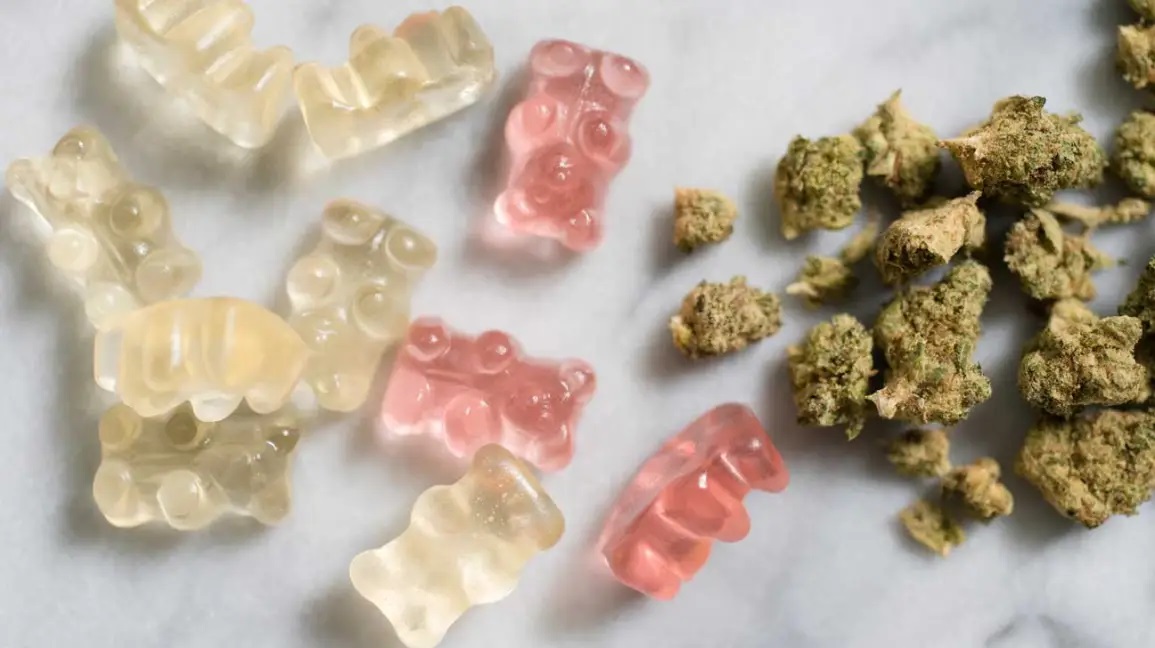
Edibles infused with medical cannabis have gained popularity as an alternative method of therapeutic consumption. These products offer a discreet and convenient way for individuals to experience the potential therapeutic benefits of cannabis without the need for smoking or vaping. This article will explore the diverse applications of edibles in medical cannabis, highlighting their potential in managing various health conditions and improving overall well-being. Whether individuals are seeking relief from pain, reducing anxiety, improving sleep, or addressing other health concerns, edibles provide a promising avenue for therapeutic use.
For further insights and information about the benefits of edibles, you can visit websites like https://zainview.com/10-reasons-why-edibles-might-be-the-right-thing-for-your/. This website provides valuable details about the advantages of edibles, complementing the content of this article. Let’s delve into the therapeutic potential of edibles infused with medical cannabis and discover the possibilities they hold for promoting health and wellness.
Pain Management and Relief:
Edibles have been widely recognized for their potential in managing pain and providing relief. The cannabinoids present in medical cannabis, such as THC and CBD, interact with the body’s endocannabinoid system and can help alleviate both acute and chronic pain. Edibles offer a longer-lasting effect compared to other consumption methods, making them suitable for individuals seeking prolonged pain relief. Whether it’s managing post-operative pain or addressing conditions like arthritis, edibles can provide a viable option for pain management.
Anxiety and Stress Reduction:
Medical cannabis edibles can also be beneficial for individuals dealing with anxiety and stress. The calming effects of cannabinoids, particularly CBD, have shown promise in reducing anxiety symptoms and promoting relaxation. Edibles provide a discreet way to incorporate CBD into a daily routine, helping individuals manage anxiety and stress levels more effectively. Whether it’s social anxiety or general stress, edibles can offer a sense of calm and relaxation.
Sleep Disorders and Insomnia:
For individuals struggling with sleep disorders or insomnia, edibles can offer potential relief. Certain strains of medical cannabis are known for their sedative properties, promoting relaxation and improving sleep quality. Edibles infused with these strains can provide a longer-lasting effect, allowing individuals to experience more restful and rejuvenating sleep. Whether it’s difficulty falling asleep or staying asleep throughout the night, edibles can help regulate sleep patterns.
Appetite Stimulation and Nausea Relief:
Edibles have been used to stimulate appetite and alleviate nausea, particularly in individuals undergoing medical treatments such as chemotherapy. THC, in particular, has been found to have appetite-stimulating properties. Medical cannabis edibles can help individuals regain their appetite, maintain a healthy weight, and manage symptoms of nausea and vomiting. Whether it’s improving appetite during cancer treatment or addressing the side effects of medication, edibles can support individuals in maintaining proper nutrition.
Neurological Conditions and Seizure Disorders:
Medical cannabis, including edibles, has shown promise in managing certain neurological conditions and seizure disorders. The cannabinoids in cannabis interact with receptors in the brain, modulating neuronal activity and potentially reducing the frequency and severity of seizures. Edibles offer a convenient way to administer precise doses of cannabinoids for individuals with specific medical needs. Whether it’s epilepsy or other neurological conditions, edibles can serve as a complementary treatment option.
Palliative Care and Symptom Management:
In palliative care settings, edibles play a valuable role in providing relief from symptoms associated with serious illnesses, such as cancer. These products can help manage pain, improve appetite, alleviate nausea, and enhance overall comfort and quality of life. Edibles offer a compassionate and effective approach to symptom management in patients facing end-of-life care. Whether it’s reducing pain and discomfort or improving the overall well-being of patients, edibles can contribute to a better quality of life.
Conclusion:
Edibles infused with medical cannabis offer a wide range of therapeutic applications for individuals seeking alternative methods of treatment. Whether it’s managing pain, reducing anxiety, improving sleep, stimulating appetite, addressing neurological conditions, or providing palliative care, edibles provide a promising avenue for therapeutic use. It’s important for individuals to consult with healthcare professionals and follow legal guidelines regarding the use of medical cannabis. By harnessing the potential of edibles and medical cannabis, individuals can explore new possibilities for managing their health conditions and improving their overall well-being.
