

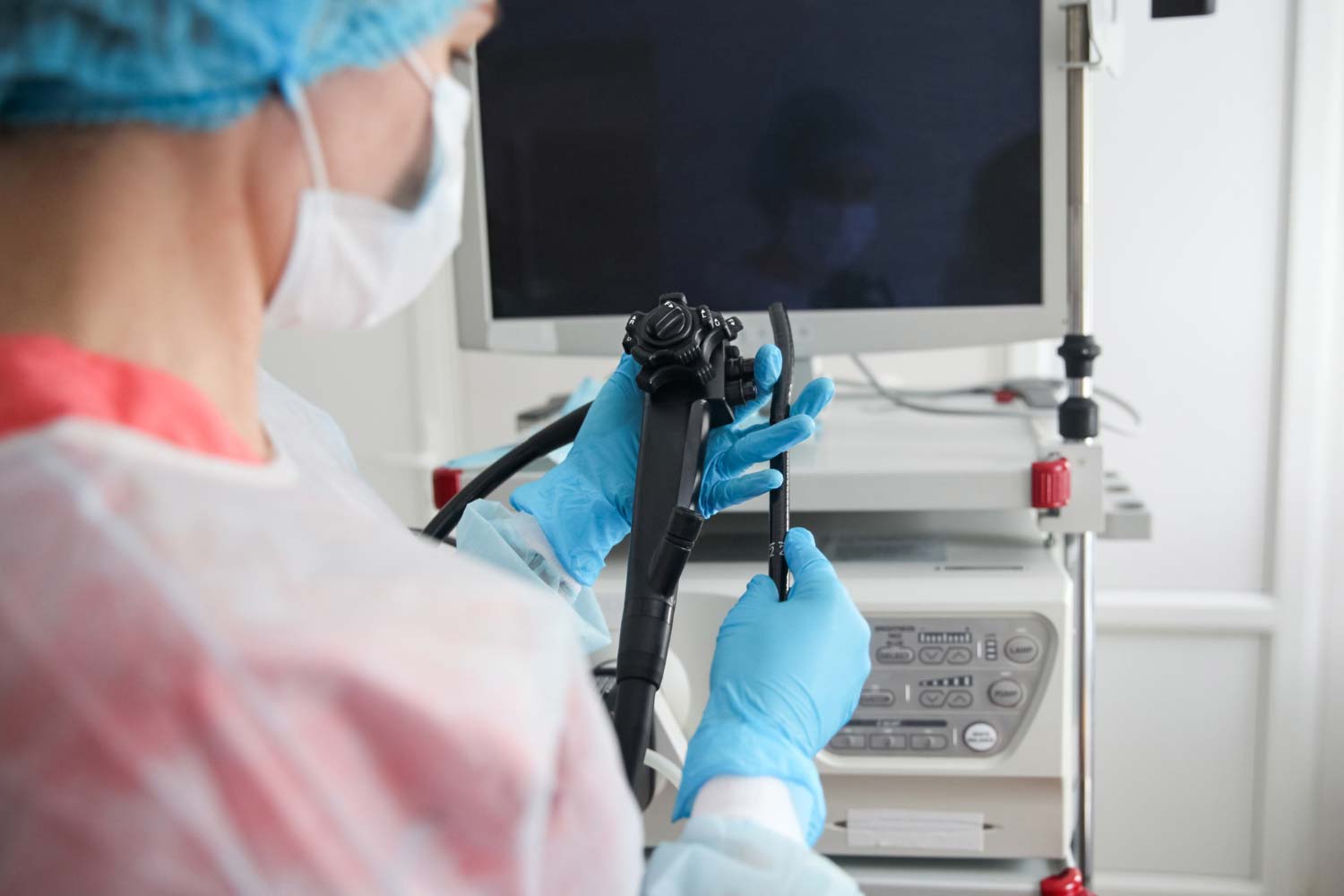
A colonoscopy is a crucial procedure for detecting colorectal issues, including cancer and polyps, at an early stage. In Singapore, understanding and budgeting for the costs associated with a colonoscopy can help alleviate financial stress and ensure timely health care. Here’s a comprehensive guide to help you budget effectively for this important diagnostic test.
Understanding Colonoscopy Costs
1. Breakdown of Costs
The cost of a colonoscopy in Singapore can vary depending on several factors, including the type of facility, whether it’s done at a public or private hospital, and the complexity of the procedure. Typically, the colonoscopy cost includes:
- Pre-Procedure Consultation: This involves an initial consultation with the gastroenterologist to discuss the need for the procedure, review medical history, and plan the colonoscopy.
- Procedure Fee: The fee for the actual colonoscopy, which includes the use of the endoscope and the expertise of the medical staff.
- Anesthesia Fee: If sedation or anesthesia is used, this will incur additional charges.
- Post-Procedure Care: Costs for recovery and any necessary follow-up consultations.
2. Public vs. Private Healthcare
In Singapore, the colonoscopy cost can differ significantly between public and private healthcare facilities. Public hospitals and clinics often offer subsidized rates for Singaporean citizens and permanent residents through government schemes, while private clinics may charge higher fees but offer quicker access and more personalized care.
Tips for Budgeting for a Colonoscopy
1. Check for Government Subsidies
Singaporean residents may benefit from various government subsidies that can help offset the colonoscopy cost. Programs such as the CHAS (Community Health Assist Scheme) and the Medisave Scheme provide financial assistance for eligible individuals. Check your eligibility for these subsidies and ensure you apply for them in advance.
2. Use Medisave
Medisave, a national savings scheme, allows Singaporeans to use their Medisave funds to pay for certain medical expenses, including colonoscopies. Ensure you have sufficient Medisave savings and understand the maximum claimable amounts. Check with your healthcare provider about the process for using Medisave to cover part of the costs.
3. Get a Detailed Quotation
Before proceeding with a colonoscopy, request a detailed quotation from your healthcare provider. This should include all potential costs, such as consultations, the procedure itself, anesthesia, and any additional fees. Comparing quotes from different providers can help you find the most cost-effective option.
4. Plan for Additional Expenses
Consider any potential additional expenses that may arise, such as the cost of pre-procedure tests, follow-up visits, or any unexpected complications. Setting aside a buffer amount in your budget can help cover these additional costs and prevent financial strain.
5. Explore Payment Plans
Some healthcare providers offer payment plans or financing options to help manage the cost of a colonoscopy. Inquire about available payment plans and whether you can spread the cost over a period to make it more manageable.
6. Utilize Health Insurance
Check your health insurance policy to see if it covers any part of the colonoscopy cost. Some insurance plans may partially or fully cover diagnostic procedures, reducing the amount you need to pay out-of-pocket. Review your policy details and contact your insurer for clarification.
What to Expect During the Procedure
1. Preparation
Preparing for a colonoscopy typically involves a clear liquid diet and bowel cleansing regimen. Follow the instructions provided by your healthcare provider to ensure that your bowel is properly prepared for the procedure.
2. The Procedure
During the colonoscopy, a flexible tube with a camera is inserted into the rectum to examine the colon. The procedure generally takes about 30 to 60 minutes and is performed under sedation or anesthesia to ensure comfort.
3. Recovery
Post-procedure, you may experience mild cramping or bloating. Most patients are able to resume normal activities within a day. Follow any specific aftercare instructions provided by your healthcare provider.
Conclusion
Budgeting for a colonoscopy in Singapore involves understanding the full scope of costs, exploring available subsidies and financial assistance, and planning for both expected and unexpected expenses.
By following these tips and utilizing available resources, you can manage the cost of this essential procedure and prioritize your health without undue financial stress. Regular screenings and early detection are vital for maintaining overall health and addressing potential issues before they become more serious.
