

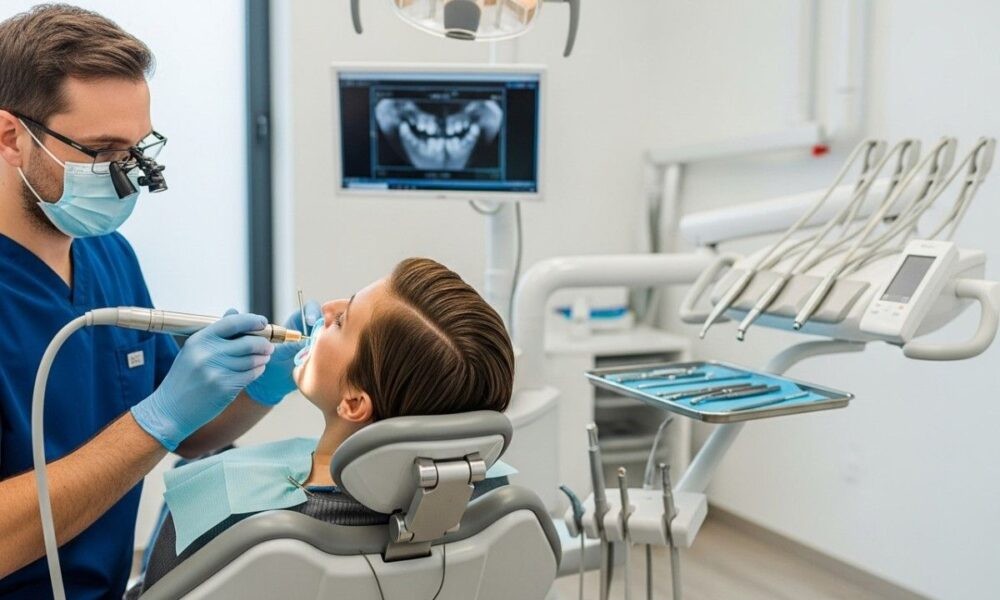
Invisalign is a modern orthodontic procedure that uses clear, removable aligners to straighten teeth. It has become a popular choice because it is less noticeable and more comfortable than traditional braces. However, like any dental treatment, it has both advantages and limitations. Understanding these can help you decide if it is the right option for you.
Invisalign works by using a series of custom-made clear trays that slowly move your teeth into the correct position. Each set of aligners is worn for about one to two weeks before changing to the next set. For the best results, the aligners must be worn for 20 to 22 hours a day under the guidance of an orthodontist near me.
One biggest benefits of having an Invisalign is its appearance. The aligners are clear and almost invisible, making them a good choice for people who want a discreet treatment. This is especially helpful for adults and students who may feel uncomfortable wearing visible braces.
Another advantage is that the aligners are removable. You can take them out while eating, brushing, and flossing. This makes it easier to maintain good oral hygiene compared to traditional braces, where cleaning around wires and brackets can be difficult. You can also enjoy your favourite foods without restrictions.
Comfort is another reason why many people prefer Invisalign. The aligners are made of smooth plastic, so they do not cause cuts or irritation inside the mouth. There are no wires or sharp edges, which reduces the chances of discomfort.
Invisalign treatment is also planned using digital technology. This allows your dentist to map out the movement of your teeth step by step. You may even get an idea of how your smile will look after the treatment is completed. This makes the process more predictable and helps patients feel confident.
However, Invisalign also has some limitations. One of the main challenges is the need for discipline. Since the aligners are removable, you must remember to wear them for the required number of hours each day.
Invisalign may not be suitable for very complex dental problems. Severe misalignment, major bite issues, or jaw problems may require traditional braces or other treatments. A dentist will help decide the best option based on your condition.
Some people may notice slight discomfort or pressure when they start using a new set of aligners. This is normal and usually goes away within a few days. A few patients may also experience minor changes in speech at the beginning, but this improves quickly.
The cost of Invisalign can sometimes be higher than traditional braces due to the technology and customisation involved. After completing the treatment, wearing a retainer is necessary to keep the teeth in their new position.
In conclusion, Invisalign offers many benefits such as comfort, convenience, and a nearly invisible appearance. However, it requires commitment and may not be suitable for all cases. Understanding both the advantages and limitations will help you make an informed decision for a healthier and more confident smile.
