

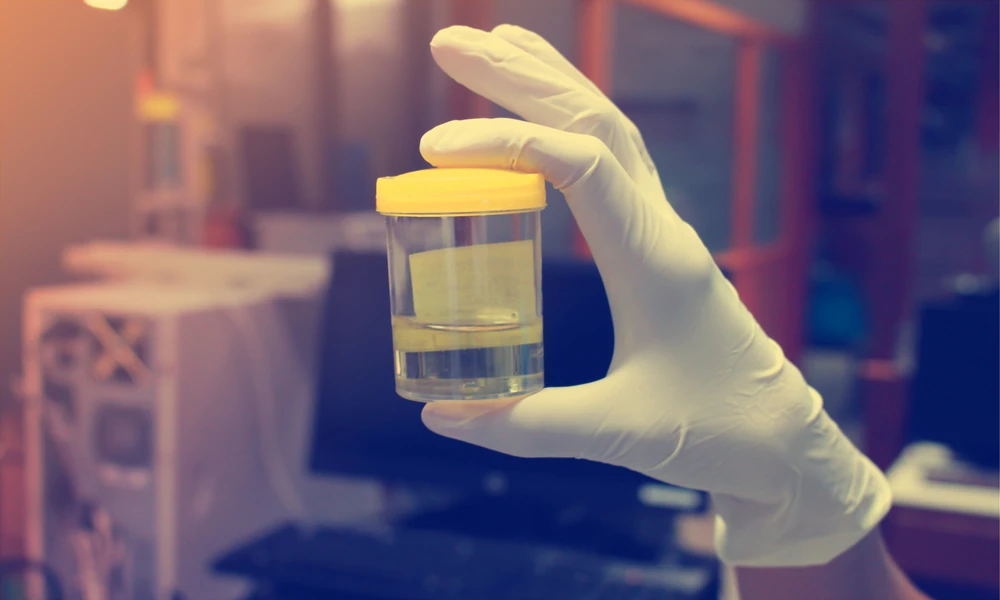
Careful laboratory product design now depends on controlled materials plus accurate preparation methods. Human fake pee is commonly developed as a urine substitute for research, equipment checks, education, product testing, or laboratory training. Modern production focuses on stable properties that can remain consistent during storage. Makers also examine appearance, acidity, density, mineral balance, plus other measurable qualities. Better quality checks help reduce unexpected differences between separate production batches. Modern Human Fake Pee Manufacturing and Changing Formulation Standards reflect how these controls continue to develop.
Controlled Production Methods Improve Product Consistency
Production begins through careful measurement of every selected component. Each material must meet a defined quality level before mixing starts. Controlled preparation helps manufacturers maintain similar properties across separate batches. Clear processing records also make internal reviews easier to complete.
Ingredient Selection Shapes Laboratory Quality
Material choice has a direct effect on stability plus measurable characteristics. Manufacturers select ingredients according to the intended research or training purpose. Each component requires careful handling during preparation. Poor material control may cause unwanted changes during later evaluation.
Routine Checks During Product Preparation
Regular checks allow production teams to identify unwanted variation before packaging. Recorded measurements also provide useful evidence during internal quality reviews.
- Temperature readings help confirm suitable conditions throughout controlled preparation stages.
- Acidity measurements reveal unexpected chemical changes before products reach packaging.
- Density checks support consistent physical properties between separate production batches.
- Appearance reviews identify visible changes requiring further laboratory assessment quickly.
- Material records confirm approved sources were used during each preparation.
- Mixing observations reveal irregular blending before later processing steps begin.
- Container checks reduce contamination risks during storage plus laboratory handling.
- Batch documentation supports clear comparisons across different production periods consistently.
Laboratory Expectations Continue to Change
Research laboratories increasingly expect products to provide predictable properties during controlled work. Manufacturers therefore review testing procedures when scientific expectations or equipment methods change. Documentation has also become an important part of dependable production control. Clear records help laboratories understand how samples were prepared.
How Do Changing Standards Affect Product Formulation Today?
A carefully prepared Human fake pee sample may support calibration research, educational demonstrations, equipment development, or controlled laboratory studies. Formulation decisions therefore depend heavily on intended use. Manufacturers must confirm that selected properties remain stable throughout expected storage periods. Consistency matters because unexpected variation can affect research observations plus equipment assessments.
Storage Conditions Influence Sample Stability
Storage practices can affect physical appearance plus measurable sample properties. Containers should protect prepared material from contamination or unwanted environmental exposure. Producers also define suitable storage periods through controlled evaluation. Regular checks reveal whether properties remain dependable over time.
Quality Measures Across Production Stages
A structured quality plan separates preparation tasks into clear review stages. This approach helps teams identify where variation may enter the production process. Each stage requires suitable records. The table shows several common areas manufacturers may monitor.
Common Questions About Laboratory Formulations
People researching synthetic laboratory samples often have practical questions about production plus quality. Short answers can clarify how these products are generally assessed.
- What controls product consistency? Accurate measurements plus repeatable preparation procedures improve consistency.
- What affects storage stability? Temperature, containers, ingredients, plus handling conditions influence stability.
- How are batches compared? Recorded laboratory measurements reveal differences between production runs.
- What makes documentation useful? Clear records support traceability plus later quality reviews.
- When should formulas change? Adjustments follow revised research needs or testing requirements.
- What supports reliable preparation? Defined procedures plus routine checks reduce unwanted variation.
Documentation Supports Reliable Batch Review
Detailed records allow teams to trace materials from preparation through packaging. Batch information may include ingredient sources, measurements, inspection results, plus storage observations. Organized documentation also helps identify patterns when unexpected changes occur. Reliable records support steady production control rather than guesswork.
Formulation Review Supports Better Laboratory Control
Regular review helps manufacturers determine whether existing formulas still meet intended laboratory purposes. Evaluation should consider material quality, measurable properties, storage behaviour, plus production records. Changes should follow documented testing rather than unnecessary adjustments. Consistent review keeps manufacturing decisions practical.
Steady Controls Build Reliable Results
Reliable laboratory substitutes depend more on repeatable procedures than constant formula changes. Producers should focus on measured preparation, suitable materials, careful storage, plus clear documentation. Routine assessment can reveal small variations before they become larger quality concerns. Updated requirements should guide sensible adjustments without creating needless complexity. Consistent execution remains more valuable than attempting to create a supposedly perfect formulation.
