

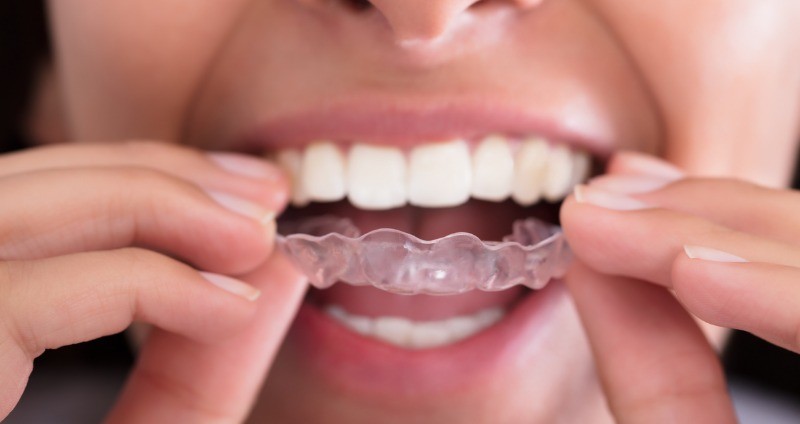
Completing orthodontic treatment with braces or aligners is a significant milestone, but maintaining that perfect smile requires ongoing care. Orthodontic retainers play a crucial role in preserving the alignment of teeth after orthodontic treatment. Without them, teeth can gradually shift back to their original positions, undoing months or even years of progress.
In this article, we will explore the importance of orthodontic retainers, the different types available, and essential care tips to ensure their effectiveness.
Why Are Orthodontic Retainers Important?
1. Prevents Teeth from Shifting
After braces or aligners are removed, teeth tend to shift back due to the natural movement of ligaments and bone structures. Retainers hold them in place, preventing relapse and ensuring long-lasting results.
2. Helps Maintain Jaw Alignment
Orthodontic treatment not only straightens teeth but also corrects jaw alignment issues. Retainers help maintain the corrected bite, reducing the risk of temporomandibular joint (TMJ) disorders and other dental problems.
3. Aids in Soft Tissue Adaptation
The gums and surrounding soft tissues need time to adjust to the new tooth positioning. Retainers provide stability, allowing the tissues to conform properly and reducing the chances of orthodontic relapse.
4. Protects Investment in Orthodontic Treatment
Orthodontic treatment is a significant investment in both time and money. Wearing a retainer as instructed by your orthodontist richmond va ensures that you maintain the results achieved without needing additional corrective treatments.
Types of Orthodontic Retainers
There are three main types of orthodontic retainers, each with its unique benefits and suitability for different patients.
1. Hawley Retainers
Hawley retainers are made of acrylic and metal wires that wrap around the teeth.
Pros:
- Durable and adjustable
- Allows minor tooth movement corrections
- Easy to clean
Cons:
- Can be noticeable when worn
- May cause slight discomfort initially
2. Clear Plastic Retainers (Essix Retainers)
These retainers are made from clear, thin plastic that fits snugly over the teeth, similar to Invisalign aligners.
Pros:
- Nearly invisible
- Comfortable and lightweight
- Easy to wear
Cons:
- Less durable than Hawley retainers
- Prone to warping if exposed to heat
3. Fixed (Bonded) Retainers
Fixed retainers are thin metal wires permanently bonded to the back of the front teeth.
Pros:
- Always in place, reducing compliance issues
- Provides continuous retention
- Not visible from the front
Cons:
- Difficult to clean around
- Can break or detach over time
How to Care for Orthodontic Retainers
1. Clean Your Retainer Daily
Just like teeth, retainers accumulate plaque and bacteria. Use a soft toothbrush with mild soap or a designated retainer cleaner. Avoid toothpaste, as it can be abrasive and cause scratches.
2. Soak in a Retainer Cleaner
For deep cleaning, soak your retainer in a non-alcoholic retainer cleaner or a mixture of water and white vinegar for about 15-20 minutes.
3. Avoid Heat and Hot Water
Exposing retainers to hot water, direct sunlight, or heat sources can cause warping, especially for clear plastic retainers.
4. Store Properly When Not in Use
Always keep your retainer in a protective case when not in use. Leaving it exposed can lead to loss, breakage, or bacterial contamination.
5. Maintain Oral Hygiene
Since retainers sit against your teeth, poor oral hygiene can lead to plaque buildup and bad breath. Brushing and flossing regularly help keep both your teeth and retainer clean.
6. Avoid Eating or Drinking with Removable Retainers
Eating with retainers can trap food particles, leading to bacterial growth. Remove your retainer before eating and drinking anything other than water.
7. Check for Damage and Replace If Necessary
Retainers can wear out over time. If you notice cracks, looseness, or damage, consult your orthodontist for a replacement.
How Long Should You Wear a Retainer?
The duration of retainer wear varies by individual. Typically, orthodontists recommend:
- Full-time wear (22+ hours a day) for the first few months after orthodontic treatment.
- Nighttime wear after the initial phase to maintain alignment long-term.
- Permanent retention for some individuals, especially those prone to relapse.
Failing to wear a retainer as instructed can result in teeth shifting, which may require additional orthodontic treatment.
Common Issues and Solutions
1. Retainer Feels Tight
This could indicate minor tooth movement due to inconsistent wear. Try wearing it full-time for a few days; if discomfort persists, see your orthodontist.
2. Bad Odor or Taste
Bacteria buildup can cause unpleasant smells. Ensure regular cleaning and avoid using mouthwash with alcohol, which can dry out the retainer.
3. Retainer Breaks or Cracks
Avoid using a damaged retainer, as it may not function properly. Contact your orthodontist for a replacement.
4. Discomfort or Soreness
New retainers may cause mild discomfort, which usually subsides within a few days. If pain persists, your retainer may need adjustments.
Conclusion
Orthodontic retainers are an essential part of maintaining your straightened teeth and ensuring long-term oral health. Understanding their importance, choosing the right type, and following proper care guidelines will help you protect your investment in orthodontic treatment.
Always follow your orthodontist’s instructions and maintain good hygiene to keep your retainer in optimal condition. With the right care, your smile will stay beautiful and healthy for years to come!
