

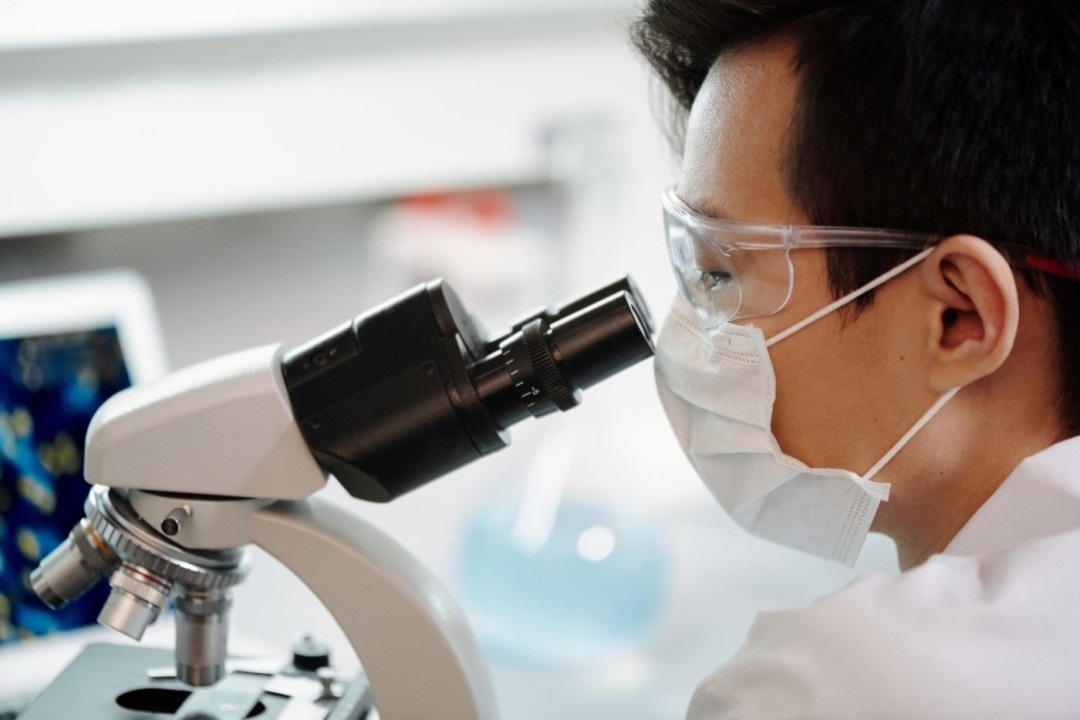
Pharmaceutical production is susceptible to contamination at multiple stages, posing significant health risks. This overview emphasizes common contamination sources in drug manufacturing, corrective actions when contamination occurs, and preventive strategies.
Contamination in pharmaceutical production often results from inadequate adherence to microbiological controls. Microbiology laboratories dealing with hazardous chemicals and biological agents, such as pathogens or radioactive materials, are particularly at risk.
Contaminants can infiltrate the manufacturing process due to procedural mistakes, such as poor facility or equipment design, inadequate staff training, improper material handling, faulty air filtration, or accidental substance mixing.
Upon detecting contamination, a swift and thorough investigation is crucial. Employing testing services, such as those provided by analytical testing laboratories, to identify contaminants in pharmaceutical and biopharmaceutical production is a standard industry practice. This helps locate and address the contamination source. After detection, decontamination and additional testing ensure the area is safe.
Preventive measures are essential. Post-contamination, it is critical to review and improve protocols, which may include fixing equipment issues, correcting handling errors, or resolving facility problems like inadequate ventilation. Continuously improving these preventive strategies is key to maintaining safe operations and staff competency.
For a comprehensive guide on managing pharmaceutical contamination, please refer to the additional resource below.
