

In the realm of modern medicine, few treatments offer such a wide array of benefits across diverse health conditions as hyperbaric oxygen therapy (HBOT). Originally developed to treat decompression sickness in divers, HBOT has expanded well beyond its nautical origins to become a vital tool in wound healing, infection control, and regenerative medicine.
Whether you’re recovering from surgery, battling a chronic wound, or seeking relief from radiation damage, hyperbaric oxygen therapy offers a compelling, science-backed approach to accelerate healing and improve health outcomes. In this blog, we’ll explore what HBOT is, how it works, and the wide-ranging advantages it brings to patients.
What Is Hyperbaric Oxygen Therapy?
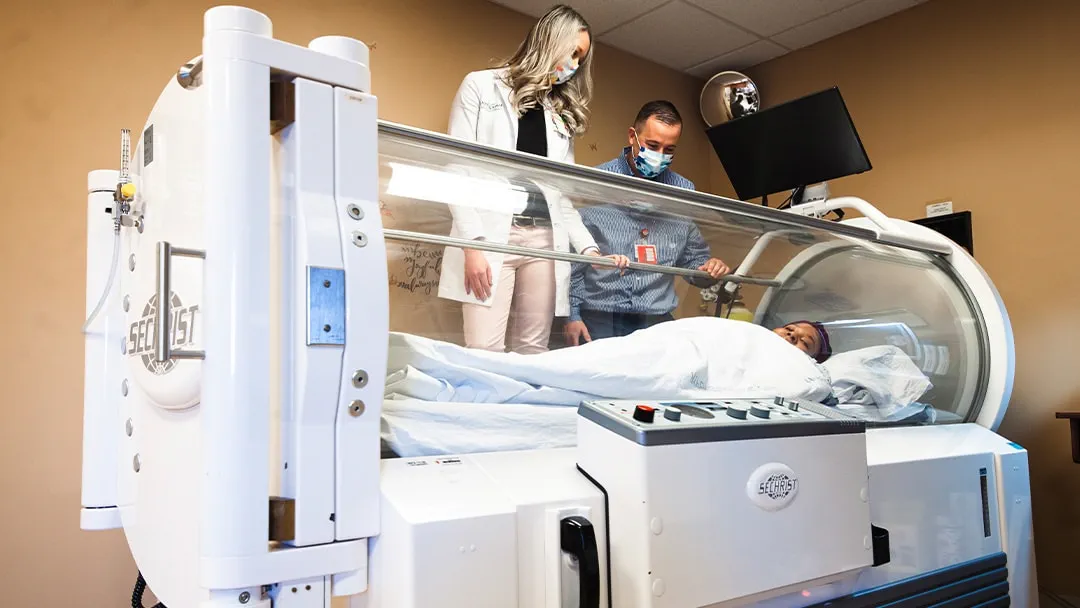
Hyperbaric oxygen therapy involves breathing 100% pure oxygen in a pressurized environment. This environment is typically a specialized chamber where air pressure is increased up to three times higher than normal atmospheric pressure. Under these conditions, your lungs can gather significantly more oxygen than they would at sea level.
The body’s tissues need oxygen to function and heal. With HBOT, the increased oxygen levels dissolve more efficiently into the bloodstream and reach damaged tissues, even those with compromised blood supply. This elevated oxygen concentration stimulates the body’s natural healing processes, promotes cell repair, and helps combat infections.
How HBOT Works: The Science Behind the Therapy
At its core, HBOT works by enhancing the body’s natural ability to heal. Oxygen plays a critical role in every stage of the wound-healing process, from inflammation to cell regeneration.
Key physiological effects of HBOT include:
Enhanced oxygen delivery to ischemic (low-oxygen) tissues.
Stimulation of angiogenesis, the formation of new blood vessels.
Reduction of inflammation and edema.
Boosting the immune response, making white blood cells more effective at killing bacteria.
Promotion of collagen synthesis and fibroblast activity, essential for tissue repair.
Improved performance of antibiotics by creating a more hospitable environment for their efficacy.
These mechanisms explain why HBOT is a cornerstone therapy in complex or slow-healing conditions.
Medical Conditions That Benefit from HBOT
While often associated with wound care, HBOT is FDA-approved or widely used in treating a variety of conditions. Some of the most common include:
1. Chronic Non-Healing Wounds
Patients with diabetes or vascular disorders often suffer from ulcers that resist standard treatments. HBOT increases oxygen to the affected tissues, reducing the risk of amputation and significantly improving healing outcomes.
2. Radiation Injuries
Radiation therapy, though effective for cancer treatment, can damage healthy tissues. HBOT is highly effective in treating conditions like radiation-induced cystitis, proctitis, and osteoradionecrosis by regenerating irradiated tissues.
3. Carbon Monoxide Poisoning
HBOT is a frontline treatment for carbon monoxide poisoning, helping remove the gas from the bloodstream and reducing the risk of long-term neurological damage.
4. Crush Injuries and Compartment Syndrome
For trauma patients, HBOT helps reduce swelling, preserve tissue viability, and improve the survival of grafts and flaps used in reconstructive surgeries.
5. Skin Grafts and Flaps
Surgical flaps and skin grafts sometimes suffer from poor blood supply. HBOT supports these delicate tissues, reducing the risk of failure.
6. Infections Like Necrotizing Fasciitis
In life-threatening infections that destroy soft tissue, HBOT can slow bacterial growth and enhance the effectiveness of antibiotics.
Advantages of Hyperbaric Oxygen Therapy
Now that we understand the science and applications of HBOT, let’s explore the numerous advantages this treatment offers to patients across a wide spectrum of conditions.
1. Accelerated Healing
One of the most significant advantages of HBOT is its ability to dramatically speed up the healing process. By saturating the bloodstream with oxygen, damaged tissues get the nourishment they need to repair faster than they would with standard care alone. This is especially valuable for patients with chronic wounds that have failed to heal for months or even years.
2. Reduced Risk of Infection
HBOT strengthens the immune system by increasing the ability of white blood cells to fight bacteria. The high-oxygen environment also inhibits the growth of anaerobic bacteria, which thrive in oxygen-deprived tissues and are responsible for some of the most dangerous infections.
3. Non-Invasive and Painless
Unlike many surgical interventions, HBOT is non-invasive and typically painless. Most patients report feeling relaxed or even drowsy during their sessions. This makes HBOT a safe and attractive option, particularly for individuals who are not good candidates for surgery or who prefer non-pharmacological approaches.
4. Supports Other Therapies
HBOT doesn’t have to stand alone. It often enhances the effectiveness of other treatments, such as antibiotics, wound dressings, or surgical interventions. In many clinical settings, it is integrated into a comprehensive care plan for optimal results.
5. Improved Quality of Life
Chronic wounds and debilitating injuries can significantly impact a person’s daily life. By promoting faster recovery, reducing pain, and restoring mobility, HBOT allows patients to regain independence and improve their overall well-being.
6. Reduced Hospital Stay and Healthcare Costs
Although HBOT may seem costly upfront, its ability to accelerate healing and prevent complications can reduce the need for prolonged hospital stays, multiple surgeries, and long-term medication use. This translates into significant savings for both patients and healthcare systems.
7. Safe for Long-Term Use
With proper monitoring, HBOT is safe for extended treatment courses. Side effects are generally mild and temporary, such as ear discomfort from pressure changes. Serious complications are rare and usually avoidable under professional supervision.
What to Expect During Treatment
HBOT sessions typically last between 60 and 120 minutes. Patients relax in a specialized chamber—either a mono-place unit (for one person) or a multi-place chamber (accommodating several people at once). The experience is often compared to flying in an airplane, with changes in pressure causing a slight popping sensation in the ears.
Most treatment plans include 20 to 40 sessions, depending on the condition being treated and the patient’s response. During this period, patients can usually resume normal activities between sessions, making HBOT a convenient addition to their healthcare routine.
Who Is a Candidate for HBOT?
While HBOT is widely beneficial, not everyone is a candidate. Conditions like untreated pneumothorax (collapsed lung), certain types of chemotherapy, and severe claustrophobia may disqualify some individuals. A thorough medical assessment is essential to determine suitability.
Patients with the following conditions are particularly good candidates:
Diabetic foot ulcers
Post-radiation tissue damage
Complex surgical wounds
Chronic osteomyelitis (bone infection)
Peripheral artery disease with wound complications
Always consult a wound care or hyperbaric specialist to evaluate whether HBOT is appropriate for your specific needs.
Final Thoughts
Hyperbaric oxygen therapy represents a powerful blend of simplicity and sophistication, using the fundamental element of oxygen under controlled conditions to unlock the body’s full healing potential. Whether you’re grappling with a stubborn wound, recovering from surgery, or addressing the lingering effects of radiation, HBOT offers a safe, proven, and often life-changing solution.
As research continues to evolve, the scope of HBOT’s benefits is expected to expand even further. For now, it stands as one of the most versatile and impactful therapies in both acute and chronic care settings. If you or someone you love could benefit from enhanced healing and reduced recovery time, it’s worth exploring how hyperbaric oxygen therapy might fit into your treatment plan.
